
Your menu is probably your most underused sales tool.
Restaurants often blame margin pressure on food costs, labor, or slow nights. A lot of lost revenue starts somewhere simpler. Guests order the main item they came for, then move on without ever seeing the right side, drink, dessert, or upgrade at the right time. That leaves money on the table every service.
The upside is real. One industry article notes that self-service kiosks can increase the average bill by up to 15% versus manual cashier ordering, and it links that result to consistent add-on prompts in the ordering flow, not better sales talent from staff alone (OrderingStack on kiosk check growth). That matters because upselling no longer depends only on whether a server remembers to ask.
The best restaurant upselling techniques feel like service. They help guests complete the order they already want. A burger gets fries. A pasta gets wine. A coffee gets an extra shot and pastry. A dinner for two gets a shareable dessert instead of two separate skips.
Used well, upselling raises average order value, improves menu efficiency, and takes pressure off staff. Used badly, it feels pushy and hurts the guest experience. The difference is timing, relevance, and control. These ten techniques focus on all three, with practical ways to apply them through staff training, menu design, QR ordering, and digital tools like RevMenue.
Table of Contents
- 1. Strategic Add-On Recommendations at Point of Order
- 2. Strategic Bundling and Meal Deal Construction
- 3. Premium Ingredient and Customization Upsells
- 4. Beverage Upselling and Pairing Strategy
- 5. Dessert and After-Meal Upselling
- 6. Dynamic Pricing and Scarcity-Driven Promotions
- 7. Personalization and Customer History-Based Recommendations
- 8. Cross-Selling Through Menu Engineering and Strategic Item Placement
- 9. Staff Training and Suggestive Selling Techniques
- 10. Loyalty Program Integration and Repeat-Customer Incentives
- 10-Point Comparison: Restaurant Upselling Techniques
- Putting These Techniques into Action
1. Strategic Add-On Recommendations at Point of Order
Point-of-order add-ons are the fastest way to raise average check without slowing service.
The guest has already chosen the main item. That is the moment to present one small, relevant upgrade that feels like part of the order, not an extra sales pitch. Digital ordering tools give you an edge here because they ask every time, stay consistent across shifts, and make it easy to test what sells. A QR menu like RevMenue turns add-on selling from a staff habit into a repeatable system.
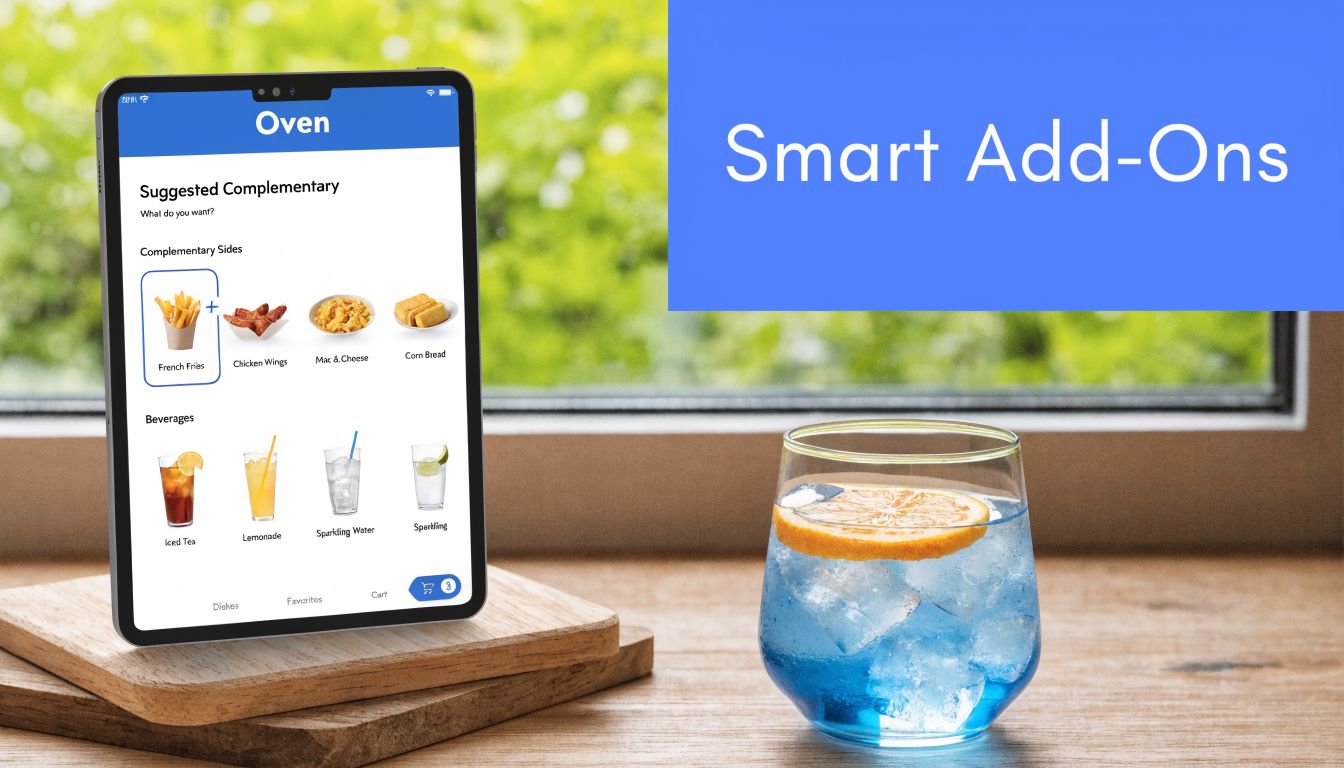
The recommendation has to match the item and the moment. A burger should trigger fries, loaded fries, or a drink. A pasta order should trigger garlic bread, burrata, or a glass of red. Starbucks has built a strong add-on habit around drink customizations such as extra shots and milk changes. Chipotle does the same with guacamole, queso, and drinks.
Show the prompt after the commitment
Timing drives the result. Show the add-on right after the guest selects the main item, while the order still feels incomplete. If you wait until checkout, acceptance usually drops because the guest has mentally finished the decision.
Keep the choice set tight and deliberate.
- Lead with margin: Put high-profit add-ons first, as long as they also fit the item.
- Keep it relevant: Suggest the next logical item, not random extras.
- Limit the options: Two or three choices beat a cluttered screen.
- Test placement: Compare item-page prompts against cart-page prompts and keep the higher-converting version.
Practical rule: Recommend the next obvious thing, not every possible thing.
OrderTiger describes restaurant upselling as a measurable system built around metrics such as average ticket size, add-on attachment rate, sales mix, and prompt conversion rate. Use that standard in your own operation, then track which prompts win by item, daypart, and channel.
With RevMenue, the practical move is straightforward. Set item-specific add-ons inside the digital menu, review conversion by pairing, and remove weak suggestions fast. If onion rings beat fries on one burger, keep onion rings in the top slot. If iced tea converts better than soda at lunch, update the lunch flow and stop guessing.
2. Strategic Bundling and Meal Deal Construction
Bundles work because they remove decision friction.
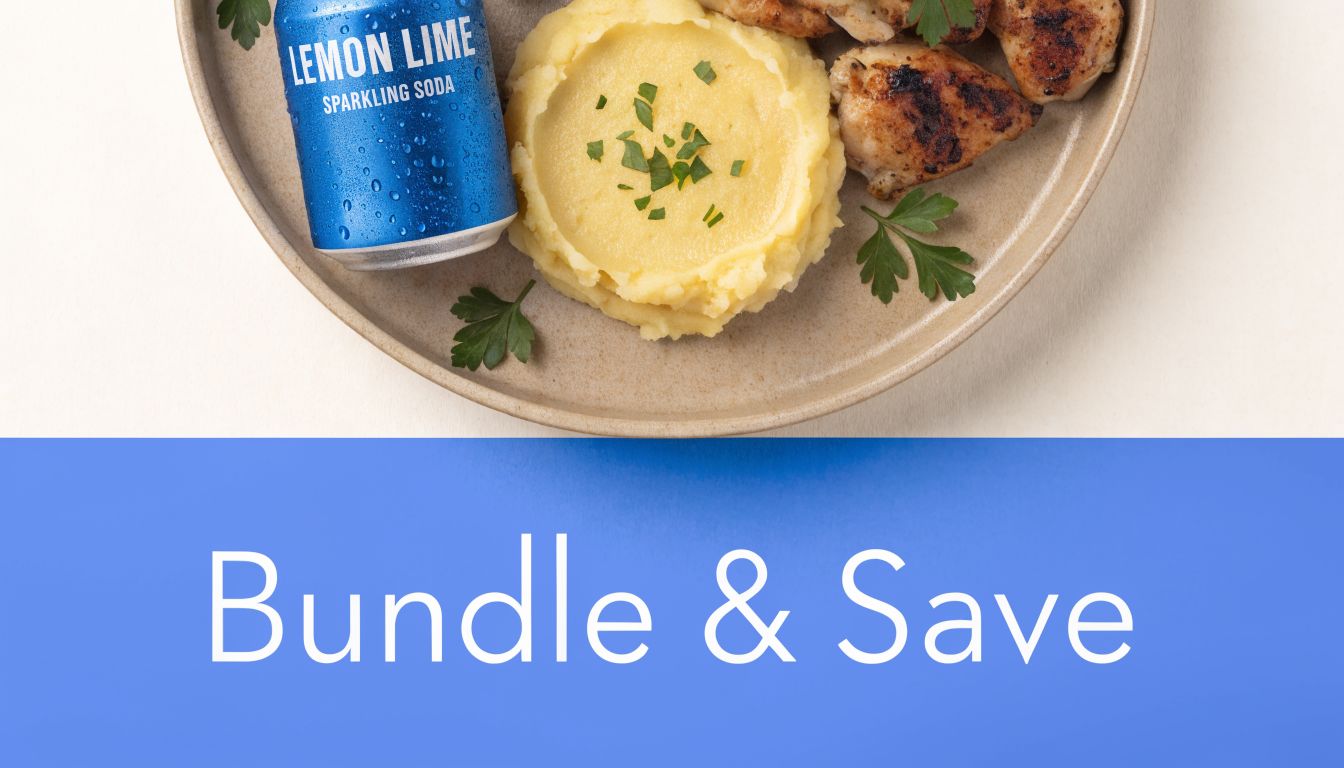
A guest who might skip a side and drink individually will often accept a clean meal deal that feels complete. Quick-service brands have used this for years. Cafés do it with coffee-and-pastry breakfast bundles. Pubs do it with wing platters and pitchers. Steakhouses do it with fixed-price menus that package starter, main, and dessert into one clear offer.
Build bundles from real ordering behavior
Don't invent bundles in a back office and hope they work. Build them from combinations guests already buy together.
A restaurant-tech source reports that automated digital upsells commonly lift average ticket size in online ordering flows, and in some bundled recommendation scenarios checks can come in nearly 47% higher when guests are guided toward complementary items like an entrée, appetizer, and alcoholic beverage (Tableo on digital restaurant upselling benchmarks). That's your cue to treat bundles like a revenue system, not a discount gimmick.
Use bundles in three places:
- Core meal bundles: Burger, fries, drink.
- Daypart bundles: Coffee, croissant, juice for morning traffic.
- Occasion bundles: Date night, family meal, game-day platter, after-work drinks.
For a realistic example, a café can turn a standard pastry case into a stronger sales tool by creating a breakfast combo around a flat white, almond croissant, and fresh juice. A bar can pair a burger, fries, and draft beer into a lunch bundle that's easier to choose than building the order from scratch.
Make the value clear on the menu screen. Name the bundle well. “Lunch Combo” is serviceable. “Fast Lunch,” “Office Break Combo,” or “Steak Night Set” gives the guest context.
3. Premium Ingredient and Customization Upsells
Some guests want the better version. You should make it easy to buy.
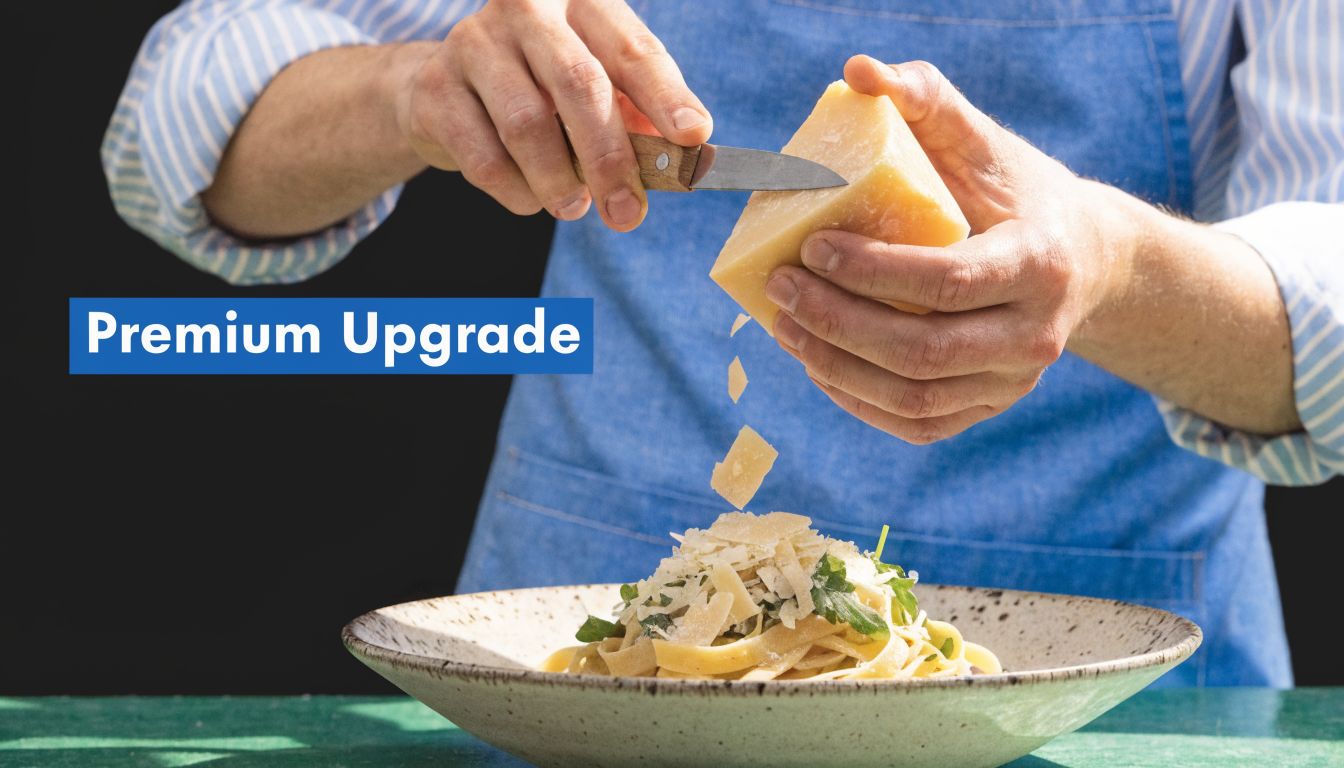
Premium upgrades work best when the base item already has demand. A burger upgrade to aged cheddar, smoked bacon, or premium beef feels natural. A pizza upgrade to burrata or imported cured meat feels like an experience upgrade, not a price trick. Coffee shops do this every day with extra shots, alternative milk, cold foam, and single-origin options.
Make the upgrade feel earned
The premium option needs a reason to exist. “Upgrade protein” is weak. “Add grilled prawns,” “switch to burrata,” or “make it prime beef” is stronger because the guest understands the difference.
Use specific language your team can defend at the table. If you're charging more, tell the guest what changes:
- Ingredient quality: Better cut, better source, better flavor.
- Preparation difference: House-made sauce, longer-aged cheese, special roast.
- Experience upgrade: Richer texture, stronger pairing, more indulgent finish.
Guests pay for a better version when they can understand it in one sentence.
A steakhouse server might say, “The prime cut has more marbling and a richer finish.” A barista might say, “The extra shot balances the sweetness if you like a stronger coffee.” That sounds helpful because it is.
Digital menus help here because guests can compare options without feeling rushed. RevMenue can present upgrades visually inside the item flow so the guest sees the premium choice before checkout, not after the decision is closed.
4. Beverage Upselling and Pairing Strategy
Drinks are too profitable to leave to chance.
Many restaurants treat beverages like a separate category instead of part of the main sale. That's a mistake. A burger order should trigger a drink thought. A steak should trigger wine. A pastry should trigger coffee. If your team or your menu waits for the guest to notice beverages on their own, attachment rates stay lower than they should.
Attach drinks to the food decision
The pairing should appear close to the food choice. Fine dining operators use this with wine pairings. Casual brands do it with craft beer, premium sodas, house lemonade, and mocktails. Coffee chains do it with pastry prompts that appear as the drink order is built.
Use practical pairings like these:
- Burger and beer: Feature one house beer and one premium draft.
- Pizza and soft drinks: Push bottle, pitcher, or premium soda options.
- Brunch and coffee: Offer specialty coffee instead of standard filter coffee.
- Dessert and after-dinner drinks: Pair espresso, dessert wine, or digestif.
One strong scenario is a BBQ restaurant that prompts “Add a local IPA” after brisket or wings. Another is a café that offers “make it oat milk” and “add an extra shot” immediately after the guest picks the drink size.
Write beverage copy like a host, not a salesperson. “Crisp with grilled fish” works. “Upgrade to premium beverage package” does not.
5. Dessert and After-Meal Upselling
Dessert gets missed because restaurants ask too early or not at all.
If you pitch cheesecake while the guest is still choosing starters, the suggestion lands flat. If you never surface dessert again after the main, you lose an easy margin opportunity. Timing matters more here than almost anywhere else in restaurant upselling techniques.
Sell dessert when the guest is ready for dessert
Dessert should appear at the end of the meal journey, not buried in a long menu scroll.
For dine-in, that means a clean handoff from mains to a dessert prompt on a QR menu or a short server suggestion after plates are cleared. For cafés and counter service, it can mean suggesting a cookie, brownie, or pastry right when the guest orders coffee.
A few reliable plays:
- Use strong visuals: Dessert sells better when guests can see it.
- Offer one signature item: Give the guest a clear default choice.
- Pair the finish: Add coffee, tea, dessert wine, or an after-dinner cocktail.
- Create a share option: “For two” language often helps dessert feel easier to justify.
A steakhouse can close with a house cheesecake and espresso pairing. A café can prompt “add a brownie” after a cappuccino. A bistro can surface a seasonal tart when the guest reaches checkout for dinner.
If dessert requires too much thought, many guests skip it. Make the choice obvious.
RevMenue is useful here because you can control when the prompt appears and test whether your guests respond better to a dessert-first prompt, a dessert-and-coffee pairing, or a single featured item.
6. Dynamic Pricing and Scarcity-Driven Promotions
Limited-time offers work when they create focus, not confusion.
Restaurants use this already through happy hours, chef specials, lunch offers, and seasonal menus. The problem starts when the pricing logic gets messy or the messaging sounds desperate. Guests should feel guided toward something timely, not pushed into a trick.
Use urgency carefully
The best promotions are easy to explain in one line. Lunch combo until 3 p.m. Seasonal cocktail this weekend. Chef's truffle pasta tonight only. Those offers create urgency without damaging trust.
Keep the execution clean:
- Use time windows guests understand: Lunch, happy hour, late-night, weekend special.
- Highlight premium seasonal items: Scarcity works better when the item feels special.
- Update instantly: Digital menus let you turn promotions on and off without reprinting.
- Train the team: Staff should explain the offer with the same wording every time.
A bar can run a pre-dinner cocktail feature before peak dining hours. A café can highlight a limited pastry bake until sold out. A neighborhood bistro can rotate a weekly set menu tied to ingredients already in-house.
Don't overdo scarcity language. “Limited today” is enough. You don't need gimmicks. The guest should feel that the offer is worth considering now, not that they're being cornered into buying it.
7. Personalization and Customer History-Based Recommendations
The best recommendation is often the one that feels familiar.
If a returning guest usually buys an oat flat white and almond croissant, suggesting the same pair again is useful. If a regular wine drinker orders steak, surfacing the red they chose last time feels polished. Personalization works because it reduces effort for the guest and wasted prompts for the business.
Use data to be more relevant, not more aggressive
Many operators get it wrong. They collect data, then use it to blast the same offers harder. That's not personalization. That's noise.
Good personalization follows a few rules:
- Start with consent: Be clear about what you track and why.
- Use simple signals first: Most ordered items, repeat visits, favorite categories.
- Recommend with restraint: Show what's relevant to that guest, not what you most want to sell.
- Respect context: Morning guests get breakfast suggestions. Repeat premium buyers get premium prompts.
Public restaurant guidance also points out a major gap in the market. Operators need better rules for when to suppress prompts, not just when to show them. It argues that location-specific customization can outperform one-size-fits-all scripts, while public benchmarking on the point where upselling starts hurting guest experience remains limited (GloriaFood on restaurant upselling and guest experience).
That's the smart angle for digital ordering. Show fewer prompts for small baskets. Hold premium suggestions until after the core item. Avoid repeating the same offer every visit. RevMenue's consent-aware setup fits that approach well because it lets you personalize without turning the menu into a pressure machine.
8. Cross-Selling Through Menu Engineering and Strategic Item Placement
If your best add-ons are hard to find, they won't sell enough.
Menu engineering isn't just about which items you list. It's about what sits next to what, what gets visual weight, and what the guest sees before they check out. Digital menus make this easier because you can move categories, reorder tiles, highlight pairings, and test layouts without reprinting anything.
Design the menu for the basket, not just the item
Think in paths, not pages.
A pizza category should naturally lead to sides and drinks. A brunch page should put coffee, juice, and brunch cocktails close to mains. A burger page should make fries and premium toppings easy to add before the cart closes. Taco Bell, McDonald's, and other large chains have trained guests to expect combo logic. Independent restaurants should do the same with more personality.
Here's what to change first:
- Group complements together: Put the likely add-on near the main decision.
- Promote high-margin items visually: Use placement, imagery, and concise descriptions.
- Keep labels consistent: Confusing menu names kill momentum.
- Review by location: One store may sell more cocktails, another more sides or desserts.
A seafood restaurant might place oyster add-ons and white wine pairings next to premium mains. A café might bring retail beans, bottled drinks, and pastry upgrades closer to the coffee flow. The point is simple. Menu layout should support the bigger basket.
9. Staff Training and Suggestive Selling Techniques
Staff training decides whether upselling feels helpful or pushy.
Your team does not need a sales script. They need to know which add-ons make sense, which ones carry strong margins, and exactly when to recommend them. That is the difference between random suggestions and a system that raises average check size without slowing service.
This video shows the general style of conversational restaurant upselling worth aiming for:
Train around moments, not memorized pitches
Tie every suggestion to a clear point in the order flow. The offer should match the guest's decision, not interrupt it.
Examples that work:
- Counter service: “Want to make that a combo?”
- Coffee shop: “Do you want an extra shot or pastry with that?”
- Casual dining: “Our house slaw or loaded fries both go well with that burger.”
- Full service: “If you like fuller reds, the Malbec pairs well with the ribeye.”
Keep the training tight. Give staff three to five high-probability add-ons per shift, not a long list they will forget. Focus first on items that are easy to describe, fast to prepare, and profitable. As noted earlier, even a small add-on can carry strong margin when food cost stays low. That is why suggestive selling works best when managers choose the right items instead of asking staff to pitch everything.
Good training also needs measurement.
Track attach rate by item, by shift, and by employee. Use QR menus like RevMenue to reinforce the same recommendations on screen that staff are making in person. If the cashier suggests loaded fries, the digital menu should surface loaded fries too. That consistency improves conversion and gives you a clean way to test which prompts move the basket.
Train for speed, confidence, and relevance. Guests buy more when the recommendation sounds useful and arrives at the right moment.
Run quick refreshers before service. Review one featured add-on, one pairing, and one premium upgrade. Then check results weekly and adjust. That is how suggestive selling becomes a repeatable profit habit instead of a one-time training speech.
10. Loyalty Program Integration and Repeat-Customer Incentives
Loyalty should train higher-value orders.
If your program only rewards visits, it reinforces cheap habits. You get repeat traffic without much margin improvement. Build the program around the order pattern you want more often, then use your QR menu and checkout flow to push that behavior every time a guest returns.
Set rewards around profitable combinations, not isolated items. A café should reward coffee plus pastry. A burger shop should reward complete meals. A bar should tie perks to cocktails, flights, and pairings that protect beverage margin. That is how loyalty improves average check instead of just counting transactions.
Use four simple rules to set it up well:
- Reward combinations: Give points, perks, or progress for meals, pairings, and add-ons.
- Set spend thresholds: Trigger a reward when guests cross a target by adding a side, dessert, or upgrade.
- Use purchase history: Send offers based on actual buying behavior instead of broad discounts.
- Make redemption easy: Let guests apply rewards directly in the digital menu or checkout flow.
Digital tools make this practical. A QR menu like RevMenue can show loyalty-only bundles, remind guests when they are close to a reward, and present the next-best upgrade based on order history. That gives you a modern loyalty system that sells, not just tracks points.
Keep the guest message simple. Staff should call out the next action in plain language: “Add fries and this counts toward your meal reward,” or “You're one item away from your free dessert.” Short prompts work because they are specific and easy to act on.
For operators who want a clear model, NCR Voyix explains how restaurant loyalty programs use personalized offers and order data to drive repeat sales and larger orders. Apply that approach with discipline. Pick one or two high-margin behaviors, build rewards around them, and track redemption rate, repeat visit rate, and average check for members versus non-members.
A loyalty program should change what guests buy. If it only hands out points, it is wasting one of your best profit tools.
10-Point Comparison: Restaurant Upselling Techniques
| Technique | 🔄 Implementation complexity | ⚡ Resource requirements | 📊 Expected outcomes | ⭐ Ideal use cases | 💡 Key advantages |
|---|---|---|---|---|---|
| Strategic Add-On Recommendations at Point of Order | Moderate, recommendation engine, accurate menu taxonomy, A/B testing | Medium, analytics, clean data, UI updates, ongoing tuning | 15–30% avg. ticket lift when optimized; measurable conversion tracking | QSRs, fast-casual, cafés, bars | Context-aware, less intrusive, scalable digital upsell |
| Strategic Bundling and Meal Deal Construction | Low–Moderate, pricing and margin analysis; bundle setup | Medium, pricing tools, marketing assets, periodic rotation | 20–40% transaction value uplift common; moves slower items | QSRs, fast-casual, cafés, pubs, food trucks | Simplifies choice, predictable margins, easy promotion |
| Premium Ingredient and Customization Upsells | Moderate–High, sourcing, recipe/inventory controls, staff training | High, premium suppliers, inventory rules, training, QA | Higher margin per upgrade; niche volume uplift for quality-seekers | Independent/full-service, premium fast-casual, gastropubs | Strong margin lift, reinforces premium brand positioning |
| Beverage Upselling and Pairing Strategy | Low–Moderate, menu sequencing, POS tracking, pairing logic | Medium, inventory breadth, staff training (alcohol laws), visuals | Significant profitability impact (beverage margins 2–3x food); variable attachment | Full-service restaurants, bars, cafés, fast-casual | High-margin category, natural pairing, seasonal promo opportunities |
| Dessert and After-Meal Upselling | Low–Moderate, timed presentation, visual assets, menu placement | Medium, dessert production, photography, inventory management | Dessert attachment 20–40% (can exceed 50%); margins often 60–70% | Full-service, cafés, casual chains, dessert venues, bars | High margins, low resistance, strong visual/marketing appeal |
| Dynamic Pricing and Scarcity-Driven Promotions | High, demand analytics, pricing rules, legal review | High, sophisticated analytics, change management, staff training | Can increase revenue and off-peak traffic; risk of customer confusion or brand harm | Multi-location operators, QSRs, bars, venues with peak/off-peak demand | Real-time price control, rapid promotional testing, urgency lever |
| Personalization and Customer History-Based Recommendations | High, data infra, consent management, recommendation engine | High, data capture, privacy compliance, analytics, CRM integration | Higher conversion and repeat visits; increased customer LTV over time | Independents with regulars, cafés, chains, loyalty-enabled venues | Highly relevant offers, stronger retention, data-driven targeting |
| Cross-Selling Through Menu Engineering and Strategic Item Placement | Moderate, A/B testing, layout optimization, content edits | Medium, analytics, design resources, periodic testing | Incremental ATV gains via discovery; improves menu navigation | QSRs, fast-casual, full-service, cafés, multi-location groups | Subtle behavioral influence, rapid test-and-learn via digital menus |
| Staff Training and Suggestive Selling Techniques | Moderate, structured training, role-play, ongoing coaching | Medium–High, trainer time, incentives, refreshers; impacted by turnover | Potentially high uplift if consistent; results vary by staff quality | Full-service, fast-casual with server interaction, cafés, gastropubs | Human personalization, builds loyalty, adaptable by guest cues |
| Loyalty Program Integration and Repeat-Customer Incentives | High, points architecture, POS integration, accounting controls | High, platform cost, rewards budget, marketing, data security | Increases repeat visits and spend; creates long-term customer data asset | Independents with repeat clientele, cafés, chains, hospitality groups | Drives retention, enables personalization, increases customer LTV |
Putting These Techniques into Action
Most restaurants do not have an upselling problem. They have an execution problem.
The tactics are already clear. What separates profitable operators from everyone else is a system that makes the right offer at the right point in the order, then measures whether it earned its place. That is the standard. Anything less turns upselling into random prompts, uneven staff behavior, and missed margin.
Start small, but build with structure. Pick one ordering path with enough volume to matter, such as lunch combos, alcohol attach rates, or dessert after dinner. Set one goal for it. Raise average ticket size, improve contribution margin, or increase attachment rate on a specific item. If you try to fix everything at once, you will get noise instead of answers.
A practical rollout usually starts with five moves:
- Add item-level prompts for the add-ons guests already accept most often.
- Create two or three bundles based on real ordering patterns, not guesswork.
- Place drinks earlier in the ordering flow, close to the items they pair with.
- Give staff short selling lines they can use naturally during service.
- Track results weekly by prompt acceptance, average ticket, and margin per order.
Then clean up what does not work. Remove prompts that interrupt the order. Cut offers with weak conversion or poor margin. Adjust by location instead of forcing the same playbook everywhere. One store may respond to premium toppings. Another may win with family bundles or second-drink suggestions.
Digital ordering makes this easier to manage because the menu can do the repetitive selling work consistently. As noted earlier, automated upsell flows can lift spend when the prompt is relevant, well timed, and tied to what the guest is already buying. The point is not to flood the screen with offers. The point is to build a controlled sales path that improves order value without slowing the guest down.
That is where QR menus become useful operationally, not just cosmetically. RevMenue helps operators set up targeted prompts, test bundles, adjust menu placement, and review performance from actual order data. You can run the hospitality logic your team already understands, then apply it at scale through the digital menu instead of relying on memory during a rush.
Keep the rule simple. If a prompt increases profit and does not add friction, keep it. If it annoys guests, slows checkout, or sells low-margin items, remove it.
Pick one or two changes this week and put them under measurement. A sharper drink pairing. A cleaner lunch bundle. A dessert prompt that appears only after qualifying entrées. Small improvements, applied consistently and tracked properly, are what turn restaurant upselling techniques into daily revenue.
If you want a faster way to turn these restaurant upselling techniques into daily revenue, RevMenue is worth a look. It helps restaurants, cafés, bars, and multi-location operators run smart QR menus, add relevant upsell prompts, launch bundles quickly, and track what's increasing average ticket size, without adding friction for guests or extra workload for staff.