
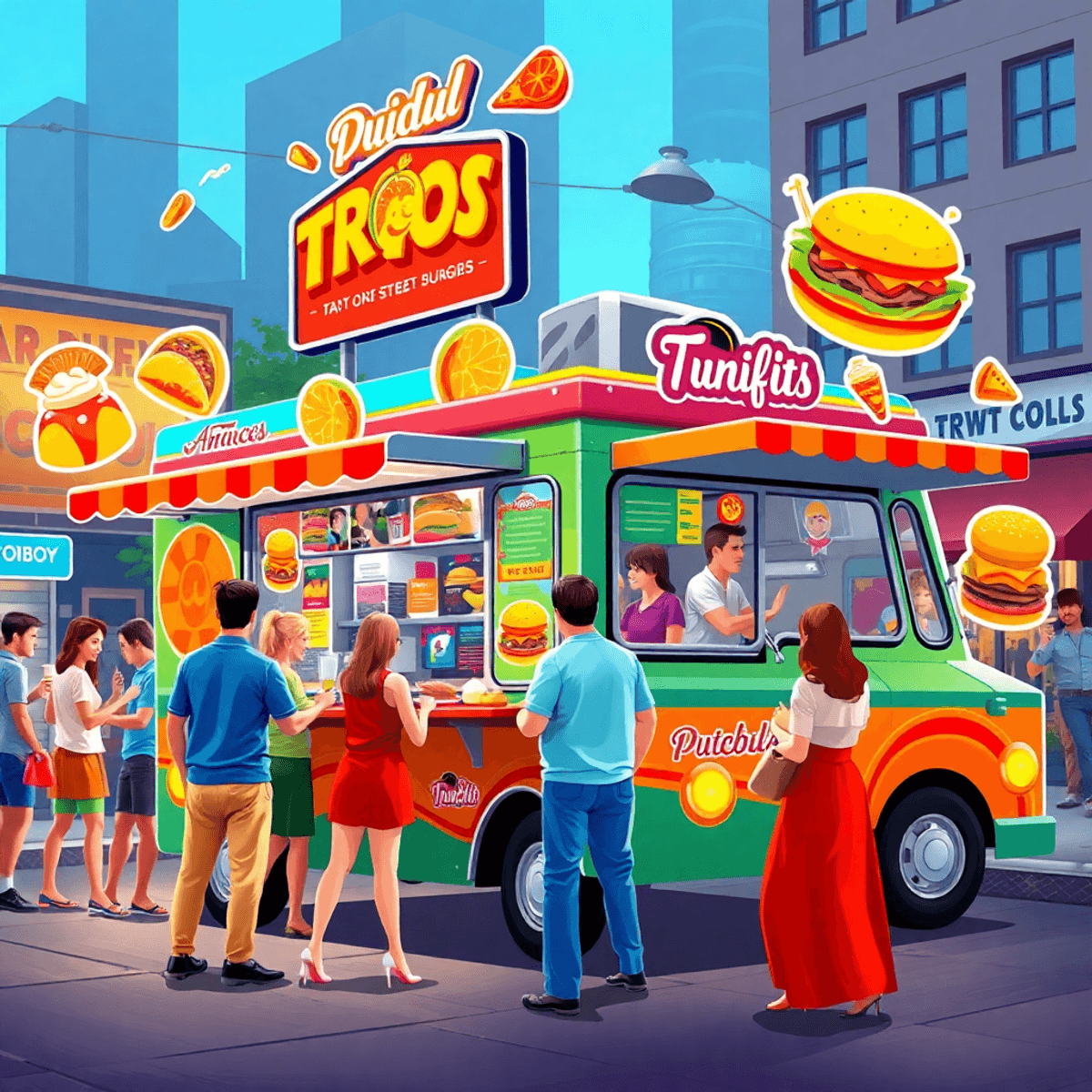
Starting a food truck is one of the fastest ways to get into the restaurant business without the overhead of a full dine-in location. However, profitability comes down to one thing: choosing a niche that sells consistently, travels well, and stays operationally simple.
This list focuses on food truck business ideas that can work in real service conditions, from busy lunch rushes to late-night events, while leaving room for strong margins and repeat customers.
What Makes a Food Truck Niche Profitable?
Before you pick a concept, pressure-test it against these criteria:
- High perceived value (customers happily pay more than your ingredient cost suggests)
- Fast ticket times (you can serve quickly at peak demand)
- Portable and durable (the product holds up in a to-go box)
- Simple prep (fewer ingredients, fewer steps, fewer mistakes)
- Repeat-friendly (people can eat it weekly without it feeling like a “special occasion”)
- Upsell potential (sides, drinks, add-ons, combos)
If your niche checks most of those boxes, you have something worth building. For further insights on how to succeed in this venture, you may want to explore RevMenue’s resources, which provide valuable information and tools for optimizing your food truck business.
The Profitable Niches List (Food Truck Business Ideas)
1) Smash Burgers (With a Signature Twist)
Smash burgers are fast, craveable, and high-margin when engineered right. The key is focusing on one core burger and a few variations.
Why it works
- Quick cook time and high throughput
- Strong combo sales with fries and drinks
- Consistent demand across locations
Menu angle ideas
- House sauce “only on the truck”
- Regional variations (green chile, pimento, gochujang)
- Single, double, and “stack” upsell
To take your food truck business to the next level with data-driven insights and strategies for better decision-making, consider leveraging RevMenue’s features. They offer an array of services designed to help businesses like yours thrive.
2) Birria (Tacos, Ramen, Quesadillas)
Birria stays hot, travels well, and drives social sharing. It also supports multiple menu items using the same base prep, making it a prime candidate for menu optimization.
Why it works
- One protein powers multiple bestsellers
- High perceived value
- Strong weekend and event performance
Menu angle ideas
- Birria tacos + consommé
- Birria ramen for colder months
- Birria grilled cheese as a premium add-on
3) Nashville Hot Chicken (Sandwiches and Tenders)
Spicy chicken sells, and the format is built for combos. Keep the menu tight and the spice levels clear.
Why it works
- Easy to brand and differentiate
- Strong repeat behavior
- Built-in upsells (slaw, fries, pickles, extra sauce)
Menu angle ideas
- Heat levels from mild to “off-menu”
- Loaded fries with chopped hot chicken
- Seasonal sauce rotation
4) Loaded Fries and Tot Boxes
This is one of the simplest high-margin trucks because the base ingredient is cheap and the perceived value comes from toppings.
Why it works
- Very fast assembly
- Great for late-night crowds
- Easy to create limited-time specials
Menu angle ideas
- Carne asada fries
- Buffalo chicken tots
- Korean bulgogi fries
5) Gourmet Grilled Cheese (Plus Soups When It’s Cold)
Grilled cheese is universally liked and easy to execute. The trick is premium bread, real cheese blends, and smart add-ons.
Why it works
- Low food cost, high markup potential
- Fast service
- Strong cross-sell with tomato soup or chips
Menu angle ideas
- “3-cheese melt” signature build
- Add bacon, brisket, or kimchi
- Soup flights in winter
By leveraging smart QR menus and implementing strategic upsells, you can further enhance customer experience and increase revenue. Additionally, consider creating bundles that combine popular items for added value. For more insights on how to make your menu smarter with these strategies, check out this resource on smart menus made effortless.
6) BBQ Focused on One Protein
BBQ can be profitable when you avoid sprawling menus. Pick one hero protein and build around it.
Why it works
- High ticket sizes
- Strong catering demand
- Customers accept premium pricing
Menu angle ideas
- Brisket sandwiches and plates
- Pulled pork bowls
- Smoked turkey for a lighter option
To maximize profitability, it’s crucial to control labor costs effectively without compromising service quality. Implementing strategies from this guide can help achieve that.
7) Rice Bowls (Teriyaki, Korean, Hawaiian, or Mediterranean)
Bowls are dependable, scalable, and ideal for lunch. They are also easy to portion control.
Why it works
- Consistent food cost and prep
- Great for office parks and weekday service
- Easy to offer “build your own” without slowing down
Menu angle ideas
- Teriyaki chicken bowls with slaw
- Korean BBQ beef with kimchi
- Mediterranean chicken shawarma bowl
Utilizing analytics software for restaurants can provide valuable insights into customer preferences and optimize menu offerings.
8) Tacos With a Single-Protein Focus
Tacos are everywhere, but they still print money when you simplify. A focused taco truck often beats a “we do everything” taco truck.
Why it works
- Fast ticket times
- Easy to upsell with sides
- Strong repeat customers
Menu angle ideas
- Al pastor only, done exceptionally well
- Fish tacos with one signature batter
- Taco trio combos that raise AOV
Implementing a restaurant waitlist software can reduce walkouts during peak hours, enhancing customer satisfaction and retention.
9) Breakfast All Day (Burritos, Sammies, and Coffee)
Breakfast has strong margins and less direct competition in many neighborhoods. Add coffee or cold brew and you increase revenue per guest.
Why it works
- Morning daypart is often underserved
- Breakfast burritos travel extremely well
- Coffee is a strong high-margin add-on
Menu angle ideas
- Bacon egg and cheese burrito + salsa flight
- Chorizo potato breakfast bowl
- Cold brew + pastry bundle
10) Empanadas and Hand Pies
Handheld food is made for trucks. Empanadas also allow batch prep and fast service.
Why it works
- Easy to hold and serve
- Great variety without complex line work
- Strong snack and catering demand
Menu angle ideas
- 3 savory options + 1 sweet option daily
- Sauce upsells (chimichurri, crema, spicy honey)
- “Mix and match” half-dozen packs
11) Gourmet Hot Dogs and Sausages
Hot dogs are low-cost and high-margin when positioned correctly. The product also supports fast service during big rushes.
Why it works
- Extremely fast assembly
- Ideal for festivals, breweries, and sports events
- Easy menu engineering with toppings
Menu angle ideas
- Chicago-style, Sonoran, and “house dog”
- Bratwurst + kraut + mustard bar
- Loaded dog combos with chips and soda
12) Pizza by the Slice (or Flatbreads)
Pizza works best when you keep production consistent. Many trucks succeed with flatbreads and slice-style service at events. Incorporating a user-friendly QR menu can streamline the ordering process.
Why it works
- High demand and broad appeal
- Strong perceived value
- Works well with beer venues
Menu angle ideas
- Three signature slices only
- Weekly rotating special
- Add-on dipping sauces
13) Dumplings, Bao, and Steam Buns
These niches win when the product is consistent and the brand is clean. Dumplings also support batch production.
Why it works
- Memorable, differentiated concept
- Great snack format
- Strong social media appeal
Menu angle ideas
- Pork dumplings + chili crisp
- Chicken bao with slaw
- Dessert bao for upsell
14) Vegan Comfort Food (Done Like “Real Food”)
Vegan trucks can be highly profitable when they avoid overly complex ingredients and focus on satisfying comfort classics.
Why it works
- Loyal customer base and strong word of mouth
- Premium pricing is accepted
- Many dishes hold well for takeout
Menu angle ideas
- Vegan “chicken” sandwiches
- Loaded vegan nachos
- Plant-based bowls with house sauces
15) Dessert Trucks (Cookies, Churros, Ice Cream)
Dessert is an impulse buy, and it shines at events. Dessert trucks often pair well with late-night service and catering.
Why it works
- High margins
- Low complexity compared to full meals
- Excellent for weddings and private events
Menu angle ideas
- Churros with dipping sauces
- Cookie skillet cups
- Soft serve with rotating toppings
How to Pick the Right Niche for Your Market
Use this simple checklist before committing:
- Where will you sell most often? Downtown lunch, breweries, festivals, residential nights, corporate catering
- What is your average ticket goal? $10, $15, $20+
- How many menu items can you execute perfectly? Aim for 6 to 12 total, including sides
- What equipment will you need? Griddle, fryer, steam table, oven, refrigeration, coffee setup
- What’s your prep reality? Commissary access, storage, staffing, and batch production capability
A niche is only “profitable” if you can operate it consistently. To ensure your chosen niche aligns with market demands and customer preferences, consider leveraging customer insights to make informed decisions.
Make Your Menu Work Harder (Without Adding More Items)
Most food trucks leave money on the table because the menu is not engineered to drive higher average order value.
A better approach:
- Build combos (main + side + drink)
- Add premium toppings (extra protein, sauces, cheese, crunch)
- Offer limited-time specials that use the same core ingredients
- Use clear photos and descriptions so customers decide faster
If you want a simple way to test what actually increases ticket size, a digital menu can help you promote add-ons and combos without reprinting boards every time. If you are looking for a quick setup, RevMenue offers a free trial so you can see how it fits your truck before committing.
FAQ: Food Truck Business Ideas
What food truck niche is most profitable?
The most profitable niches usually combine fast service, low waste, and strong combo sales. Common winners include smash burgers, loaded fries, tacos with a focused menu, and breakfast burritos.
What is the best food to sell on a food truck?
The best foods sell quickly and travel well. Handheld items and bowls tend to perform best because they hold heat, stay intact, and are easy to portion consistently.
How do I choose a niche for my food truck?
Start with your most likely selling environment (lunch routes, breweries, events, catering), then pick a concept you can execute with a small menu and consistent prep. Your niche should also support upsells and repeat visits.
For those considering entering the food truck business, it’s essential to understand the business plan costs, pricing strategies, and potential profit margins involved. Furthermore, utilizing restaurant KPI software can provide valuable insights into real-time performance metrics that can help optimize your operations.
Are dessert food trucks profitable?
Yes, especially for events, late-night service, and private catering. Desserts often have high margins and simpler operations, but demand can be more seasonal depending on your location. To maximize profitability, restaurant management software for busy owners can streamline operations and improve efficiency.
How many menu items should a food truck have?
Most successful trucks keep it tight. A good target is 6 to 12 total items including variations and sides. Fewer items usually means faster service, better consistency, and easier inventory management. Utilizing restaurant forecasting software for multi-location can help in planning the right number of menu items based on demand.
What is the biggest mistake new food truck owners make?
Trying to do too much. Overly large menus increase prep time, mistakes, waste, and ticket times. A focused niche with a tight menu is usually the fastest path to profitability. Implementing restaurant task management software can assist in managing tasks efficiently within a limited menu scope.